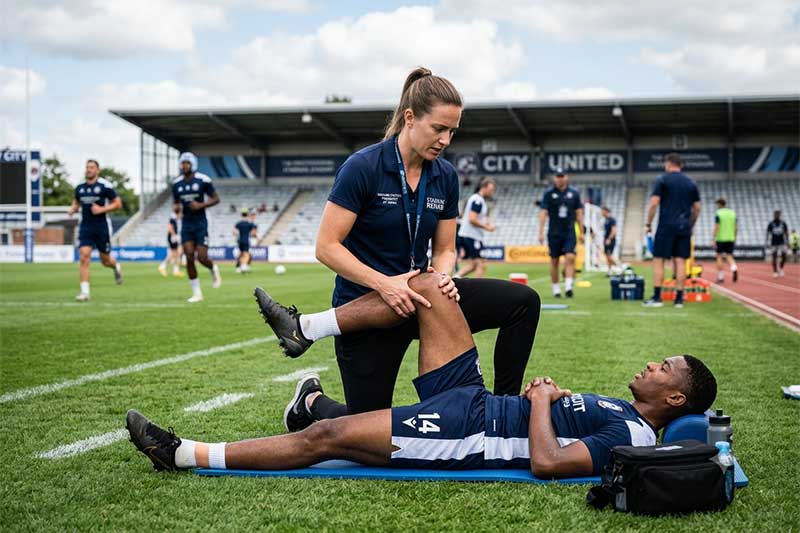
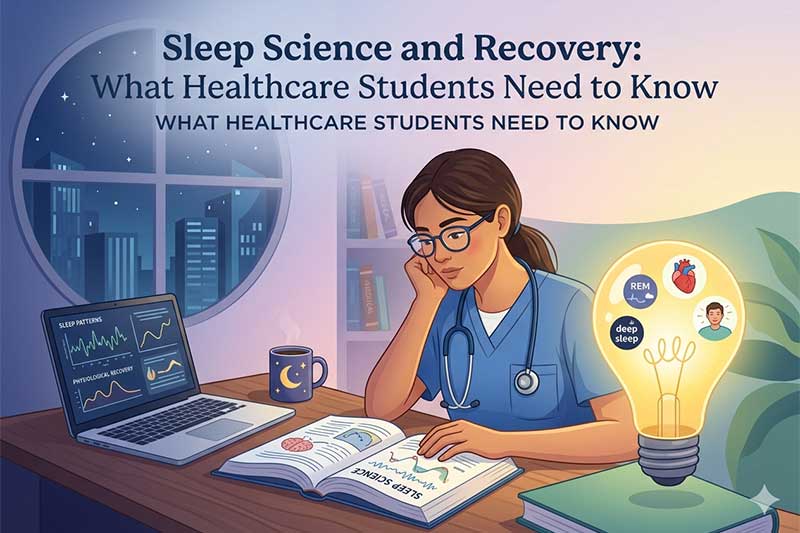
Healthcare students face demanding schedules that often force sleep down their priority list, leading to burnout and decreased academic performance. Understanding the science of sleep and recovery is crucial for maintaining both physical health and cognitive function during rigorous medical, nursing, or therapy programs. This guide explores the biological mechanics of sleep, its direct impact on academic success, and evidence-based strategies to optimize rest. By prioritizing recovery, future healthcare professionals can improve memory retention, emotional resilience, and overall patient care capabilities.
Key Takeaways
- Sleep directly impacts cognitive retention, memory consolidation, and clinical decision-making.
- Non-Rapid Eye Movement (NREM) and Rapid Eye Movement (REM) sleep stages serve distinct, vital recovery functions for the brain and body.
- Strategic napping and environmental sleep hygiene can mitigate the effects of erratic schedules and clinical rotations.
- Consistent recovery routines prevent long-term burnout and improve soft skills essential for patient interactions.
How does sleep affect cognitive performance in healthcare students?
Adequate sleep is the biological foundation for memory consolidation, which is the process where short-term learning is transformed into long-term memory. When healthcare students sacrifice sleep to study, they actually impair their brain’s ability to retain the complex medical terminology and clinical procedures they are trying to learn. According to the [Centers for Disease Control and Prevention (CDC) (2020)], sleep deprivation reduces alertness by up to 32% and significantly increases the likelihood of critical cognitive errors.
For students enrolled in demanding programs, prioritizing rest is a proven strategy for achieving high grades. In fact, understanding the relationship between rest and study habits is often The Secret to Academic Excellence. During sleep, the brain clears out neurotoxins accumulated during waking hours. This detoxification process restores focus and problem-solving abilities. Choose a consistent sleep schedule over late-night cramming if long-term retention and high exam performance matter more to you than simply logging study hours.
What are the essential stages of sleep for physical and mental recovery?
Sleep is not a uniform state; it is a complex cycle of different stages that alternate every 90 to 120 minutes. The human body requires both NREM (Non-Rapid Eye Movement) and REM (Rapid Eye Movement) sleep to fully recover from the physical and mental stress of healthcare education.
NREM sleep focuses on physical restoration, tissue repair, and immune system strengthening. REM sleep is critical for emotional regulation and cognitive processing. Missing out on either stage leaves students physically exhausted or mentally foggy.
How can healthcare students optimize their sleep hygiene?
Sleep hygiene refers to the behavioral and environmental practices that promote consistent, uninterrupted sleep. Students can optimize their sleep hygiene by strictly controlling their bedroom environment, managing light exposure, and utilizing relaxation techniques before bed.
The National Sleep Foundation (2023) recommends keeping bedroom temperatures between 60 and 67 degrees Fahrenheit for optimal rest. Furthermore, blocking blue light from screens at least one hour before bed allows the brain to produce melatonin naturally. If you struggle with the physical tension of clinical rotations, integrating holistic recovery methods can drastically improve sleep quality. For example, exploring The Top 10 Benefits of Massage Therapy for Stress Relief can help students release muscle tension that often disrupts deep sleep.
Why is sleep crucial for developing clinical soft skills?
Sleep regulates the amygdala, the part of the brain responsible for processing emotions. When healthcare students are sleep-deprived, their emotional reactivity increases, making it difficult to maintain patience, empathy, and clear communication with patients and colleagues.
Effective patient care requires immense emotional intelligence. A well-rested student is far more capable of reading non-verbal cues and responding calmly to stressful clinical scenarios. Because Soft Skills Matter More Than Ever in modern healthcare environments, treating sleep as a prerequisite for professional development is essential. A well-rested brain ensures you have the emotional bandwidth to connect with patients and collaborate effectively with your medical team.
Building a Sustainable Recovery Routine for Your Healthcare Career
Mastering the science of sleep is just as important as mastering anatomy or patient care protocols. Healthcare students must view recovery not as a luxury, but as a critical component of their educational and professional success. Start by auditing your current sleep habits tonight. Implement a consistent bedtime, reduce late-night screen exposure, and track your energy levels over the next week. By respecting your body’s biological need for rest, you will build the stamina required for a long, successful, and healthy career in the medical field.
Frequently Asked Questions (FAQ)
How many hours of sleep do healthcare students actually need?
Most healthy adults, including healthcare students, require between seven and nine hours of sleep per night for optimal cognitive and physical function. Consistently getting less than 7 hours of sleep impairs memory retention, delays reaction times, and weakens the immune system.
What are the best alternatives if I cannot get eight hours of sleep?
If a full night of sleep is impossible due to clinical shifts or exams, implement strategic “power naps” lasting 20 to 30 minutes. These short naps improve alertness and motor performance without causing sleep inertia (the groggy feeling associated with waking up from deep sleep).
How does sleep deprivation affect clinical skills?
Sleep deprivation drastically reduces fine motor skills, impairs judgment, and increases the rate of clinical errors. Exhausted students struggle to perform precise tasks, misinterpret patient charts, and experience dangerous lapses in attention during critical procedures.
Are caffeine and energy drinks effective substitutes for sleep?
Caffeine masks the biological symptoms of sleepiness by blocking adenosine receptors in the brain, but it does not replace the physiological recovery that sleep provides. Relying heavily on caffeine leads to energy crashes, increased anxiety, and further disruption of natural sleep cycles.